Start here: building the tool while using it
An entry map for the project that frames the live build log. It starts with the genesis series, then moves forward through the next posts in order.
John Hardy’s engineering notebook
Current bench Atom · Z80 systems · AI and authorship
An entry map for the project that frames the live build log. It starts with the genesis series, then moves forward through the next posts in order.
Explains why I build this in public and how writing reshapes the technical decisions. It also sets out how I use deliberate review to keep pace without losing my voice.
Sets out why the repository holds both the writing and the build so decisions stay traceable. It anchors that structure in classic web values and a minimal toolchain.
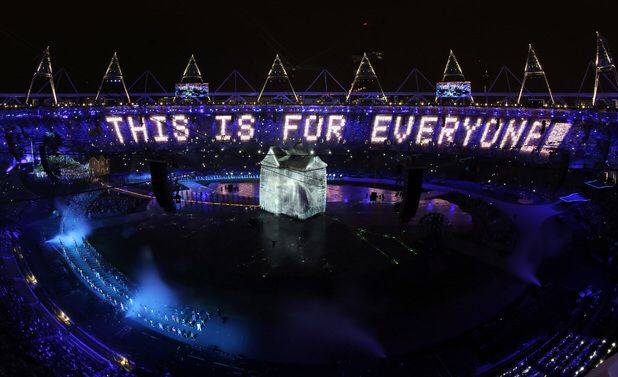
Frames self-publishing as a technical choice that keeps writing durable and under my control. It ties that choice to why I am building this system and publishing here.
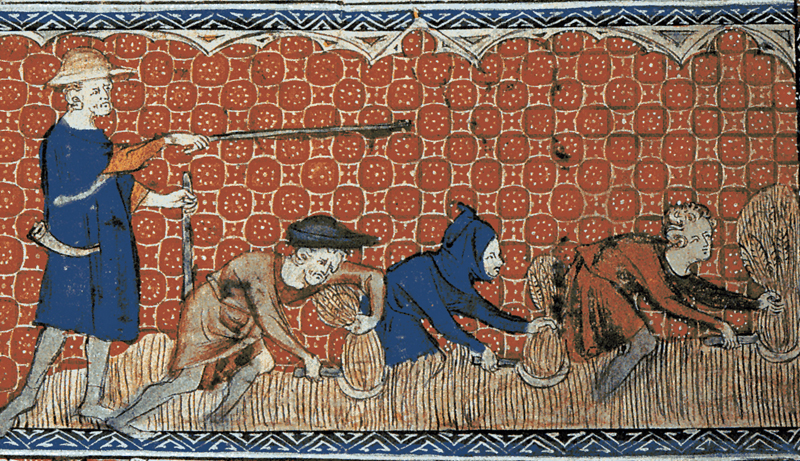
Argues that owning the domain is the first unit of independence. It calls the reader to secure the address before building the site.
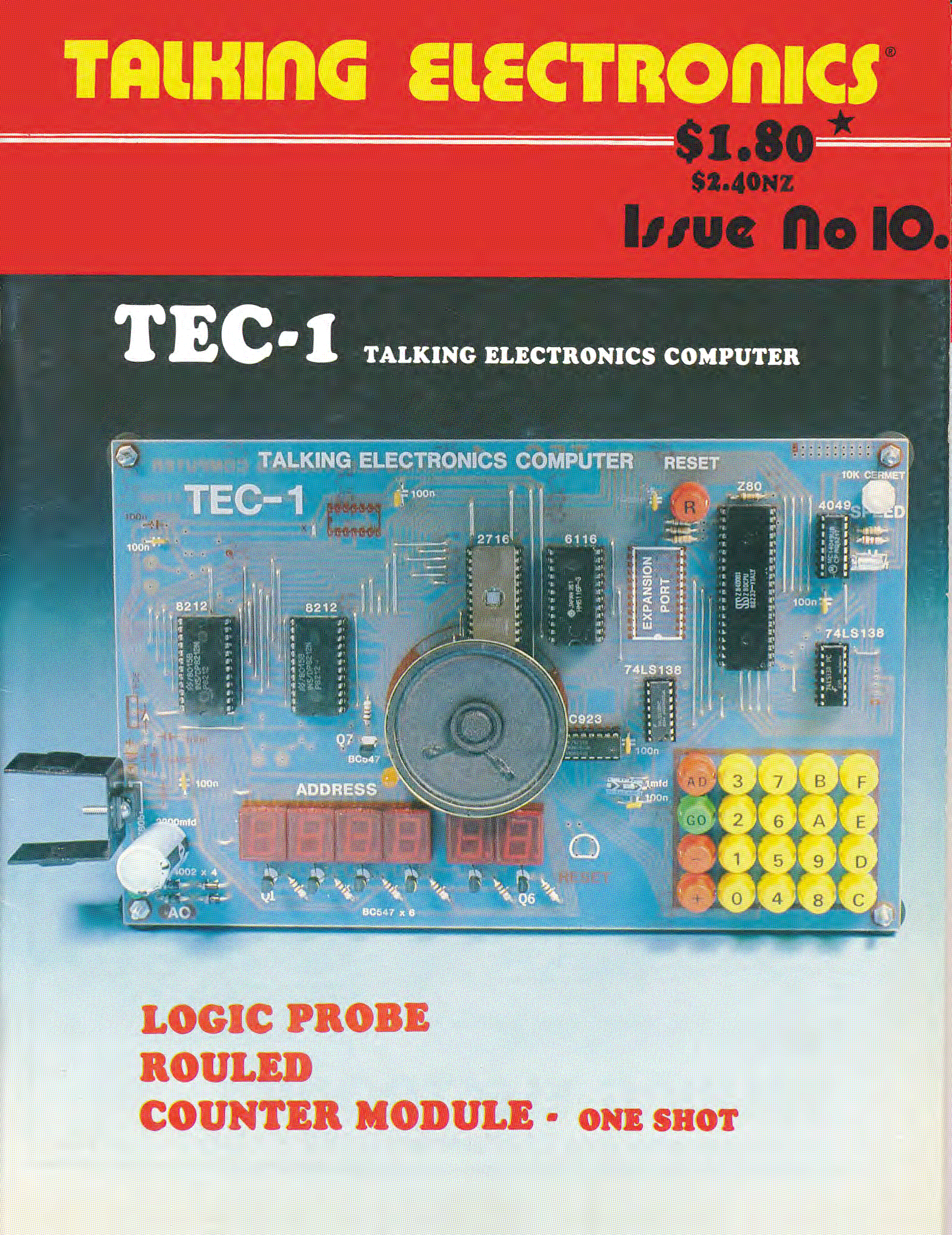
My work with the Z80 began on paper in the late 1970s and became real hardware in the early 1980s. This series documents a return to that architecture through the construction of a modern debugging environment.

On the January 2025 Copyright Office advice that vibe-coded software is public domain, why chat-window prompting fails to transfer authorial intent, and what a clay-like programming interface would need to do differently.

This article examines the legal parallel between the monkey selfie case and software generated by large language models. It considers what happens to ownership, licensing, and open source when code lacks traditional human authorship.
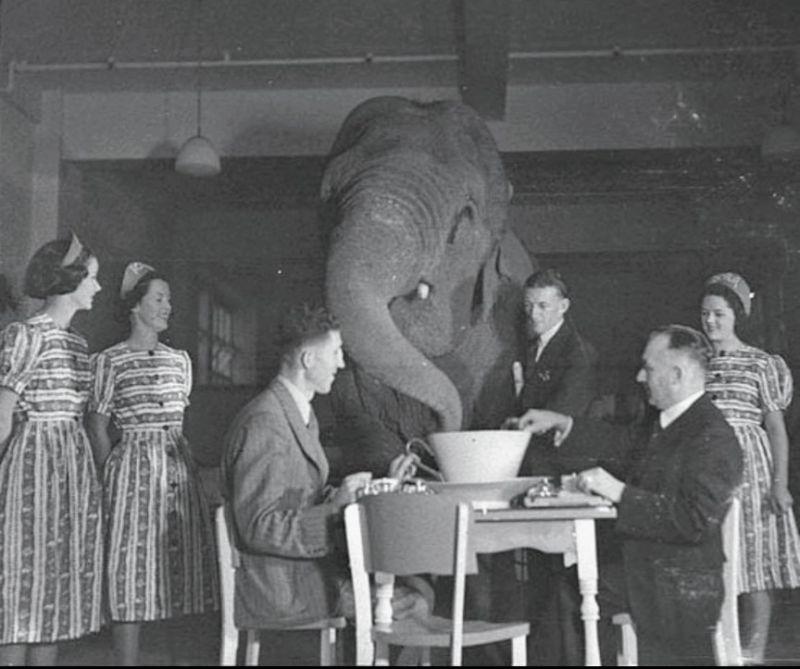
This article argues that code generated without sufficient human authorship may fall into the public domain by default. It frames that legal risk as a neglected issue inside the current rush toward AI-assisted software development.

This article argues that current AI systems can model thought with extraordinary power without becoming conscious subjects. It explains the difference between simulation and experience, syntax and meaning, and output and inner life for a technical audience.
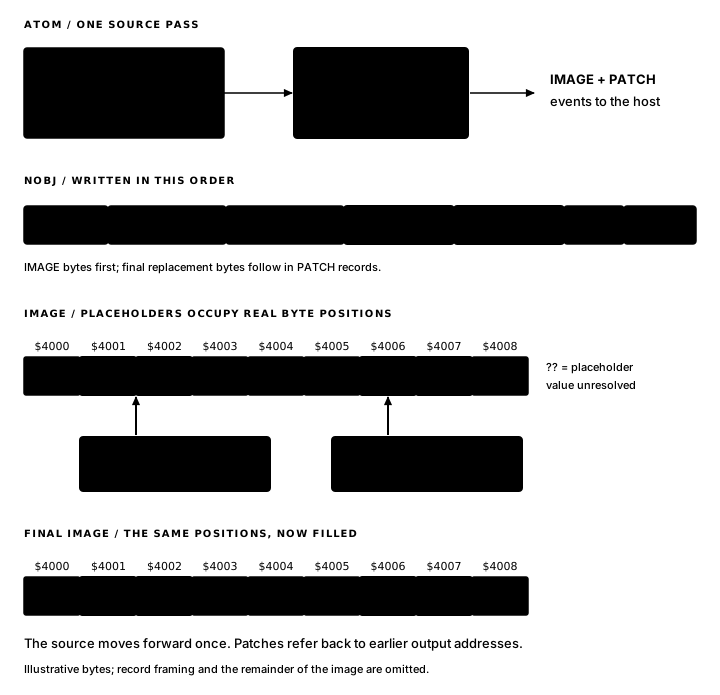
Atom runs on macOS, Windows, Linux … and CP/M. The assembler itself is written in Z80 assembly, fits within 16 KiB and can assemble its own source.

A language model can solve a problem and describe an inner life. What would establish that it actually experiences anything?
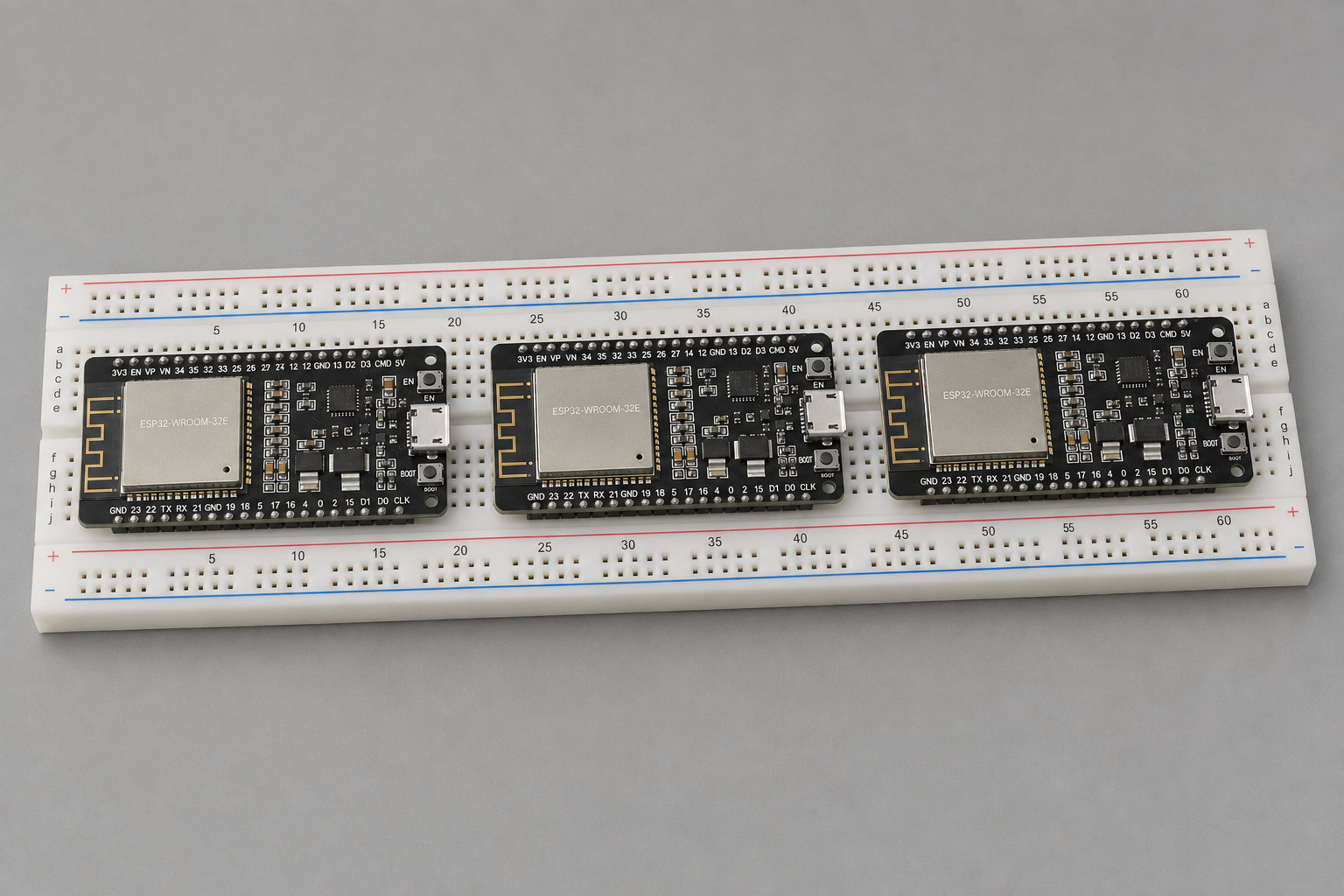
Triptych is a retro computer project using three ESP32 boards for CPU and storage, VGA video, and sound. The goal is a machine you can program directly, with a Z80 and CP/M at the centre of the current design.
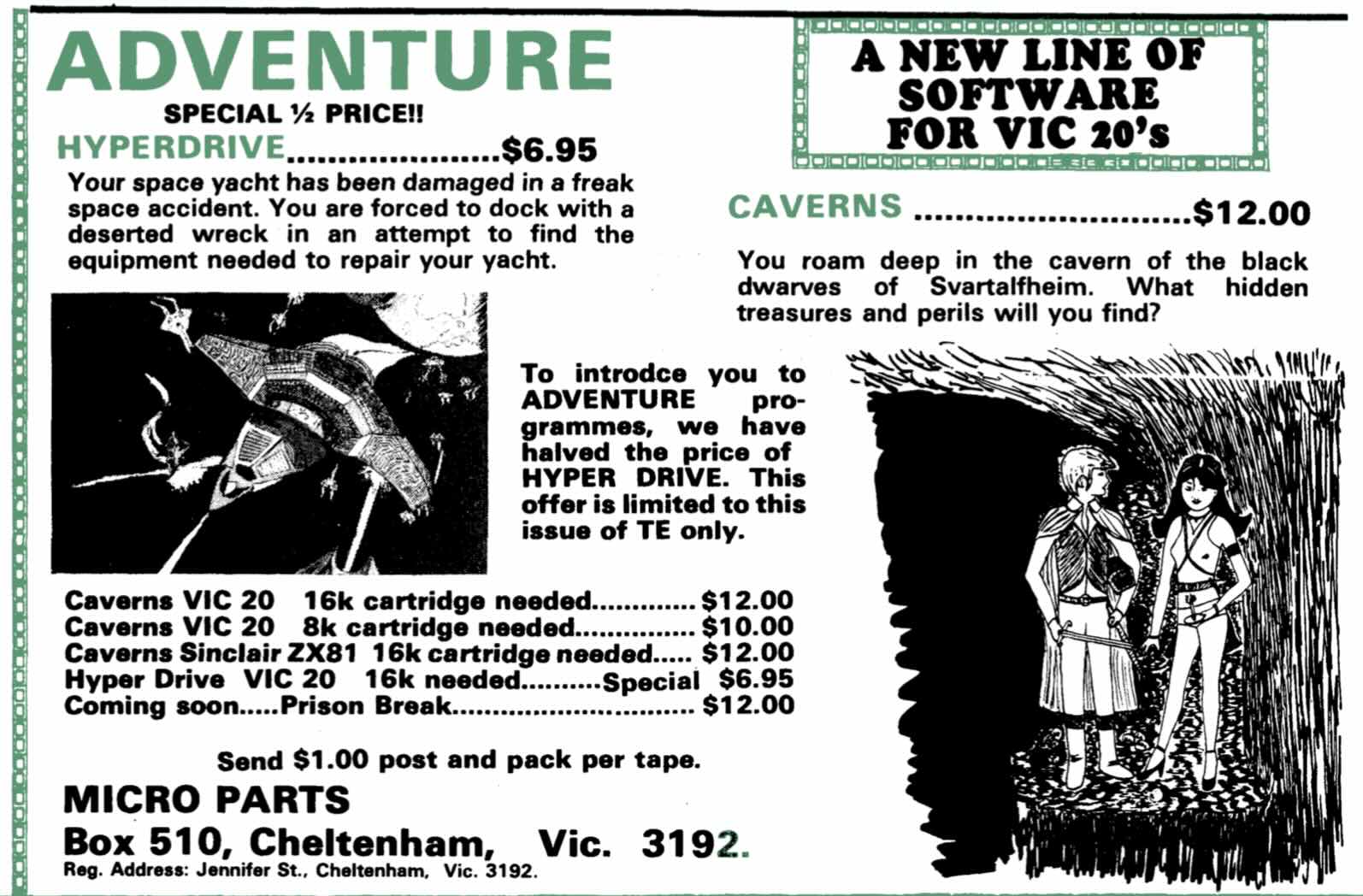
Recovering Ken Stone’s VIC-20 adventure from a cassette recording involved decoding pulse timings, BASIC and PETSCII. The investigation also helped me reconstruct memories of our early work on Caverns and the games Ken sold through Micro Parts.
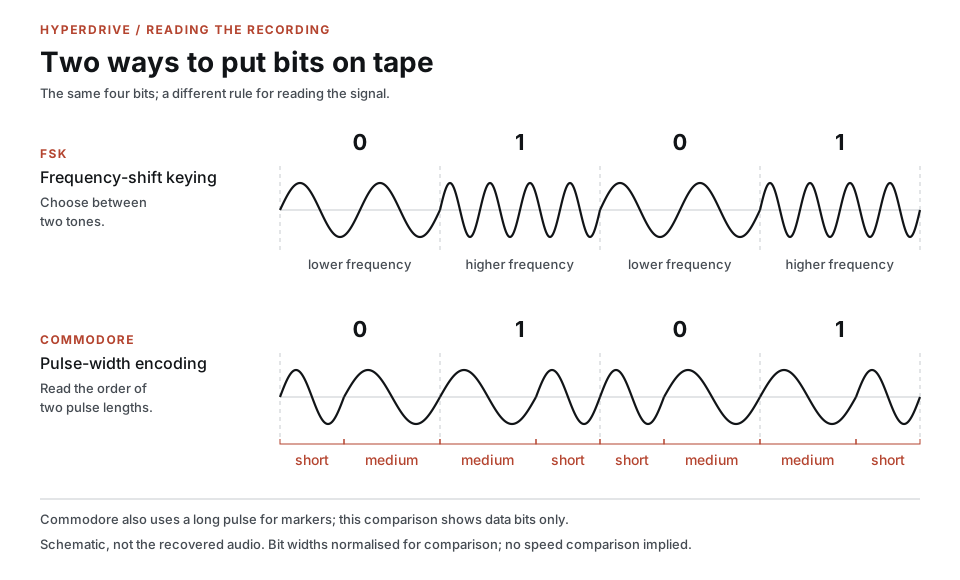
Decoding Ken Stone’s cassette recording turned pulse timings into readable BASIC. As the words emerged, apparent damage gave way to unfamiliar Commodore conventions, and I began recovering details I could no longer recall.