Programming in clay
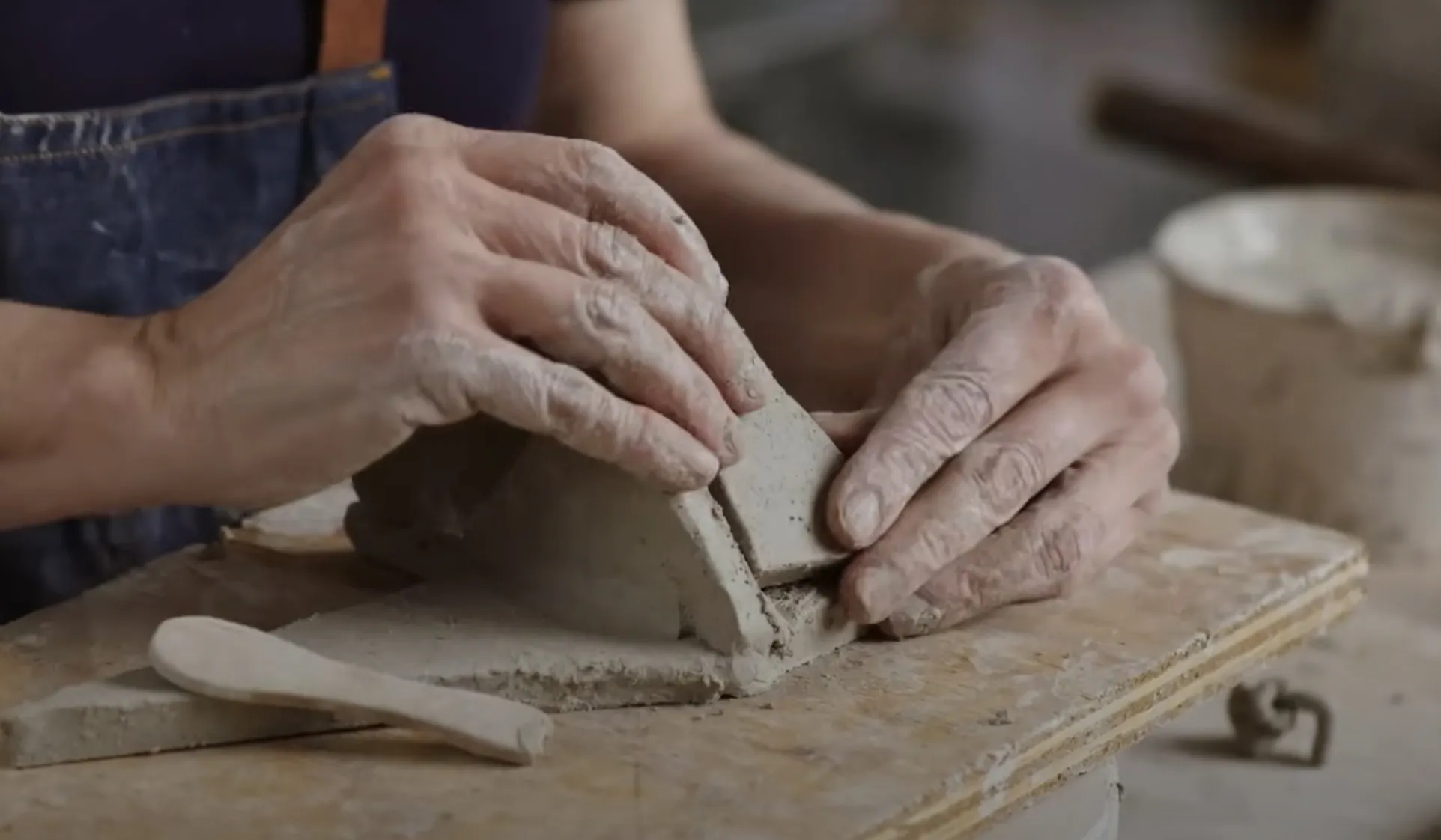
On the January 2025 Copyright Office advice that vibe-coded software is public domain, why chat-window prompting fails to transfer authorial intent, and what a clay-like programming interface would need to do differently.
John Hardy’s engineering notebook
Current bench Atom · Z80 systems · AI and authorship
On the January 2025 Copyright Office advice that vibe-coded software is public domain, why chat-window prompting fails to transfer authorial intent, and what a clay-like programming interface would need to do differently.

This article examines the legal parallel between the monkey selfie case and software generated by large language models. It considers what happens to ownership, licensing, and open source when code lacks traditional human authorship.
This article argues that code generated without sufficient human authorship may fall into the public domain by default. It frames that legal risk as a neglected issue inside the current rush toward AI-assisted software development.