Programming in Clay
On the January 2025 Copyright Office advice that vibe-coded software is public domain, why chat-window prompting fails to transfer authorial intent, and what a clay-like programming interface would need to do differently.
Writing into being.
On the January 2025 Copyright Office advice that vibe-coded software is public domain, why chat-window prompting fails to transfer authorial intent, and what a clay-like programming interface would need to do differently.
When I looked at the webview code for Debug80, I found 2,866 lines of JavaScript embedded as template literals inside TypeScript files. I extracted them into proper TypeScript modules alongside HTML templates alongside CSS files. After adding esbuild bundling, the maintenance burden dropped considerably.
I removed the TEC-1 program loader from the core debug80 extension and moved machine content into its own repo. This entry explains why the split mattered and how the platform pack is laid out. It also shows what makes the setup runnable on day one.
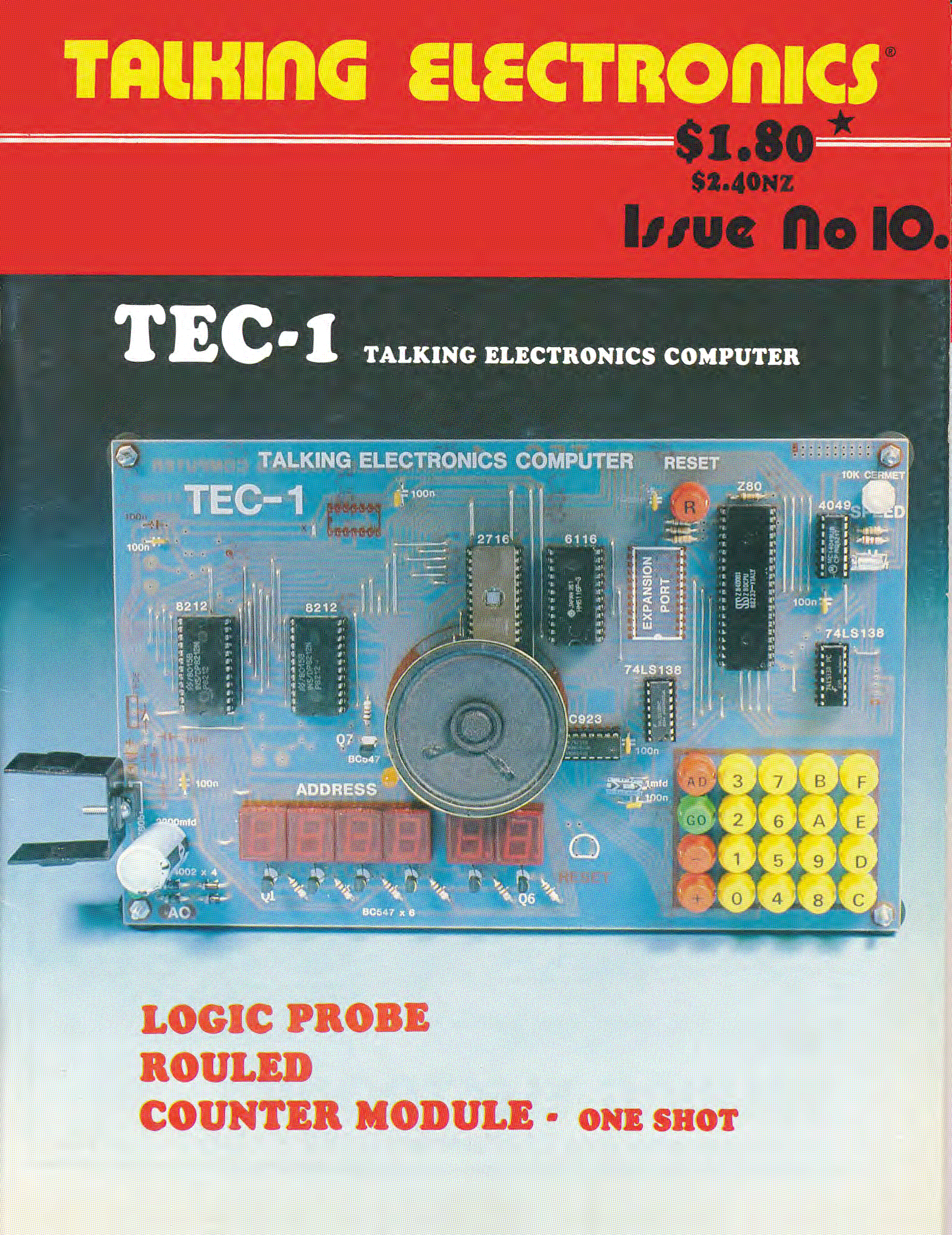
My work with the Z80 began on paper in the late 1970s and became real hardware in the early 1980s. This series documents a return to that architecture through the construction of a modern debugging environment.
Sets out why the repository holds both the writing and the build so decisions stay traceable. It anchors that structure in classic web values and a minimal toolchain.
Documents the prose-lint script and its role in catching AI writing habits. Explains the scoring system, the rules it enforces, and how threshold-based gates prevent formulaic prose from entering published content.