
Reclaiming the Web's Original Spirit
By John Hardy
January 12, 2026 | Series: openweb
In the early 1990s when Tim Berners-Lee and his colleagues were shaping the World Wide Web, the core idea was simple: this network is for everyone. The web was meant to be a place where anyone could publish and share with links they control. Before social media and platform lock-in, that idea felt direct and practical.
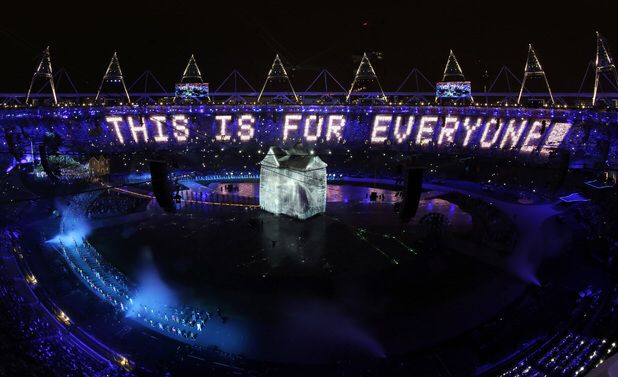
The web’s original promise rested on open protocols and a light technical burden. HTTP and HTML were open enough for anyone to implement, and small enough to understand. If you wanted to publish, you bought a domain and wrote a page then put it online. There was no gatekeeper and no opaque algorithm deciding who saw your work.
Convenience platforms promised reach without setup, so I traded hosting and maintenance for speed and feedback. My writing then sat inside their systems, and its visibility moved with their incentives. The interface felt open, but the ground was theirs.
This still matters because a personal site is a form of self-reliance. When you own the domain and the files, you also own the story you are telling. You can publish without asking and keep an archive that outlives a platform, with links that stay stable.
Keeping that contract means sticking to open standards and durable URLs while I build this site. That is why I insist on open protocols and plain HTML in this system.
Tags: web, selfpublishing, openprotocols, platforms