Start Here: Building the Tool While Using It
An entry map for the project that frames the live build log. It tells readers to start with the genesis series and follow the first two posts.
Writing into being.
An entry map for the project that frames the live build log. It tells readers to start with the genesis series and follow the first two posts.
Defends public writing as a decision tool and shows how it changes the repository. It offers concrete examples of decisions that moved from prose into code.
Sets out how I keep pace without losing voice, with a named failure pattern and a before-and-after rewrite. It shows how the prose-lint script flags drift and forces a second pass.
Defines the article as a single file in a dated folder so the URL stays stable. It links that structure to reader trust in old links and a durable archive.
Explains why the body stays plain Markdown and readable on its own. It commits to a reader surface that survives even if the build disappears.
Sets the rule that assets live beside each article to keep attachments portable. It makes a clone complete by default and keeps links stable.
Separates machine data from prose so indexing stays deterministic. It keeps list logic away from the article voice.
Explains how series and tags share the same data but serve different reading modes. It tells readers to use series for story order and tags for topical updates.
Defends a declarative selection model where queries choose and templates stamp. It keeps lists debuggable and prevents hidden selection rules.
Explains why the repository holds both the writing and the build so decisions stay traceable. It invites readers to inspect the file tree as a record of how the system forms.
States the non-negotiable stance behind the project: classic HTML, accessibility, durable URLs, minimal tooling. It draws the boundary where drift would break trust in the archive.
Shows how templates solve duplication and keep structure consistent across pages. It sets up the stamp model as the reason this series exists.
Shows how loops and conditionals in templates turn layout into a control layer. It names the point where I stop trusting the output because selection is hidden.
Presents the stamp model where queries select and templates place prepared content, with a concrete example. It aims for templates that read like documents and still produce reliable pages.
Frames self-publishing as a technical choice that keeps writing durable and under my control. It ties that choice to why I am building this system and publishing here.
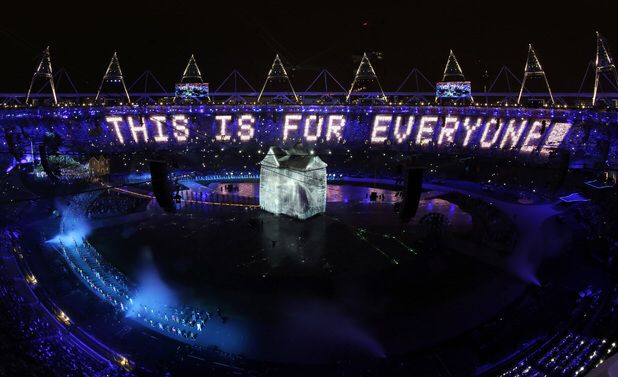
Connects the early web's open protocols to present design choices in this project. It ends with a constraint that keeps the work open and portable.
Argues that owning the domain is the first unit of independence. It calls the reader to secure the address before building the site.